Estimated Read Time: 7-8 minutes
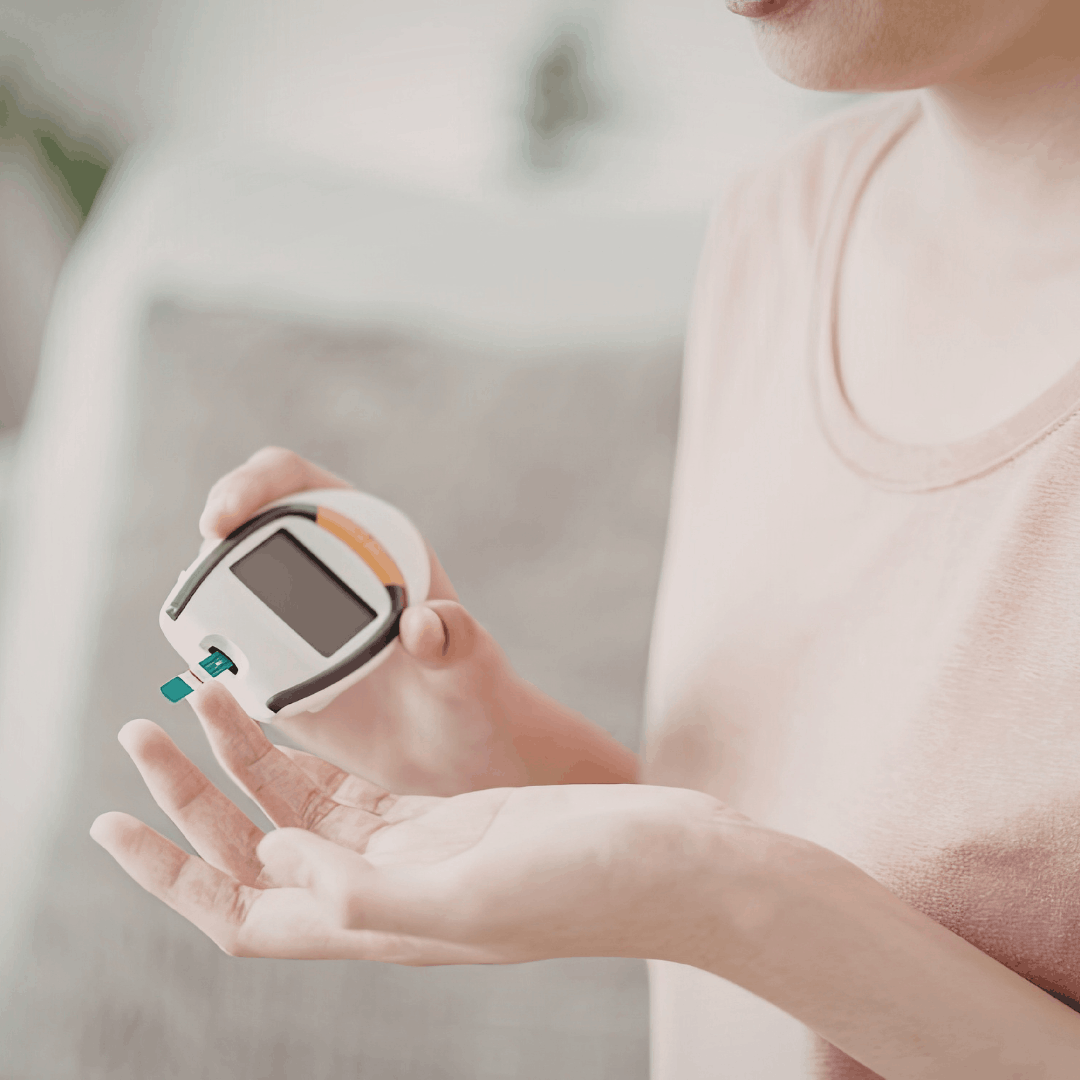
Most conversations about blood sugar in pregnancy centre on gestational diabetes what it is, how it's diagnosed, and what to do if you get a positive result.
But here's what rarely gets discussed: blood sugar dysregulation isn't unique to women with a gestational diabetes diagnosis. It affects almost every pregnant woman to some degree, in ways that show up as everyday symptoms most people never connect to their blood sugar at all.
Understanding what's happening hormonally and what you can do about it is one of the most practical things you can do for your health and your baby's development throughout pregnancy.
Insulin is the hormone produced by your pancreas that helps your cells absorb glucose (sugar) from the bloodstream and use it for energy. When your cells respond less efficiently to insulin meaning they require more of it to do the same job this is called insulin resistance.
In pregnancy, a degree of insulin resistance is completely normal. It's driven by hormones produced by the placenta - primarily human placental lactogen (hPL), along with rising oestrogen and cortisol which deliberately blunt your body's insulin response.
The result is that more glucose stays in your bloodstream for longer, making it available for your baby to draw on across the placenta. From a physiological standpoint, it's a remarkably clever adaptation.
The challenge is that modern diets high in refined carbohydrates, processed foods and added sugar can push this natural insulin resistance well beyond what your body can comfortably compensate for. When that happens, blood sugar in pregnancy spikes and crashes become more pronounced, cravings intensify, and the long-term risk of gestational diabetes increases.
1 in 6 Australian pregnancies are now affected by gestational diabetes, a rate that has more than doubled in the past two decades. For every woman diagnosed, many more are experiencing subclinical blood sugar dysregulation that affects how they feel every day.
Insulin resistance increases progressively through pregnancy, driven by rising placental hormone levels. It is typically most pronounced in the second and third trimesters, which is why gestational diabetes screening occurs between weeks 24 and 28.
However, blood sugar sensitivity can begin shifting from as early as the first trimester — particularly in women who already have some degree of insulin resistance prior to pregnancy, including many women with PCOS, a history of gestational diabetes, or a family history of type 2 diabetes.
This is why blood sugar management is not just a third trimester concern, it's a whole-pregnancy consideration.
Blood sugar dysregulation exists on a spectrum. You don't need a gestational diabetes diagnosis to be experiencing its effects. These are the everyday signs that many pregnant women experience but rarely connect to blood sugar:
If several of these resonate, your blood sugar patterns are worth paying attention to regardless of what your GD screening result says.
The effects of blood sugar dysregulation in pregnancy extend beyond how you feel. They directly affect your baby's development and long-term health outcomes.
Protein is the single most effective dietary tool for blood sugar management in pregnancy. It slows gastric emptying, blunts post meal glucose spikes, supports sustained satiety, and reduces the frequency and intensity of sugar cravings.
Most pregnant women are not eating enough protein and this gap widens in the first trimester when appetite is suppressed and food aversions are common.
High protein foods to prioritise throughout pregnancy:
A practical rule worth building into every meal: never eat carbohydrates alone. Pair all carbohydrate-containing foods with a source of protein, fat, or fibre. Fruit with nut butter. Toast with eggs. Rice with chicken and vegetables. The combination significantly slows glucose absorption and flattens post-meal blood sugar spikes.
Myo-Inositol is a naturally occurring compound found in small amounts in foods like citrus fruits, beans, and wholegrains. It plays a direct role in insulin signalling, essentially acting as a messenger that helps your cells respond to insulin more efficiently.
A growing body of clinical research has demonstrated that Myo-Inositol supplementation significantly improves insulin sensitivity, reduces fasting blood glucose levels, and lowers the incidence of gestational diabetes, particularly in women who are already at elevated risk.
What the clinical evidence shows:
Myo-Inositol is particularly well studied in the context of PCOS, where insulin resistance is often a central driver. Given that PCOS affects an estimated 1 in 10 women of reproductive age in Australia, the relevance of this research to pregnancy nutrition is significant.
The clinically studied dose is 2-4g per day, typically taken in two divided doses with meals.
Supplementation works best alongside supportive lifestyle habits. These are the most evidence informed strategies for blood sugar management during pregnancy:
We formulated the Blood Sugar Bundle because Myo-Inositol and Hydrolysed Collagen work synergistically in ways that go beyond blood sugar alone.
Together, they give you a simple daily routine, mix both into water, a smoothie, or yoghurt that supports blood sugar balance, protein intake, and overall pregnancy nutrition in one step.
→Shop the Blood Sugar Bundle
→ Shop Myo-Inositol
→ Shop Hydrolysed Collagen
A gestational diabetes diagnosis is not a failure, it's information. It means your body's insulin response has been pushed beyond what it can compensate for, and it needs additional support.
The same strategies covered in this article apply, protein at every meal, lower-GI carbohydrates, Myo-Inositol supplementation, post-meal movement, and hydration and often produce meaningful improvements in blood glucose management alongside any medical treatment your care team recommends.
Does blood sugar affect all pregnant women, not just those with gestational diabetes? Yes. A degree of insulin resistance is a normal part of every pregnancy, driven by placental hormones. The difference is how pronounced it becomes and how much it affects your daily symptoms and your baby's development. Managing blood sugar in pregnancy is relevant to every woman, not just those with a formal diagnosis.
What are the signs of blood sugar dysregulation in pregnancy? Common signs include energy crashes after meals, intense sugar cravings, waking in the night hungry, nausea that improves briefly after eating, persistent fatigue, and mood swings that follow eating patterns. These symptoms are often dismissed as normal pregnancy experiences but they frequently have a blood sugar component.
Can Myo-Inositol help with blood sugar in pregnancy? Yes, Myo-Inositol has strong clinical evidence supporting its role in improving insulin sensitivity and reducing the incidence of gestational diabetes, particularly in high-risk women. The clinically studied dose is 2-4g per day in divided doses. Always discuss supplementation with your midwife or GP before starting.
How does protein help manage blood sugar during pregnancy? Protein slows the rate at which glucose enters your bloodstream after eating, blunting post-meal spikes and keeping blood sugar more stable between meals. Pairing every carbohydrate with protein, fat, or fibre is one of the most effective dietary strategies for blood sugar management in pregnancy.
When does insulin resistance peak in pregnancy? Insulin resistance is typically most pronounced in the second and third trimesters, which is why gestational diabetes screening happens at weeks 24-28. However, blood sugar sensitivity can shift from as early as the first trimester in women with pre-existing insulin resistance, PCOS, or a family history of type 2 diabetes.
Is walking after meals actually effective for blood sugar in pregnancy? Yes, even a short 10-15 minute walk after eating is one of the most evidence-supported tools for improving post-meal glucose clearance. Movement allows muscles to absorb glucose directly without requiring insulin, making it particularly effective and accessible during pregnancy.
About the Author
Caitlin Gilmore: Nurse, Midwife & Nutrition Consultant

Caitlin is the founder of Maternally Happy, an Australian wellness brand specialising in bioavailable supplements, prenatal vitamins, and evidence-based resources designed to support women from preconception through postpartum.
With qualifications as a Nurse, Midwife, and Nutrition Consultant, Caitlin combines over a decade of clinical experience with nutritional expertise to deliver trustworthy, research-backed advice. Her writing focuses on fertility, pregnancy, postpartum recovery, and hormonal health - helping women cut through the confusion with practical, evidence-based information.
When she’s not formulating practitioner grade supplements or supporting her community, you’ll find her enjoying a chai latte, hiking in nature, or spending time with her family, friends, and two border collies.

Buffered vs Unbuffered Magnesium Glycinate: Choosing the Best for Absorption & Digestion
When shopping for magnesium supplements in Australia, especially magnesium glycinate tablets or capsules it can be hard to know which option is best for your health. You might see two products labe...
Read more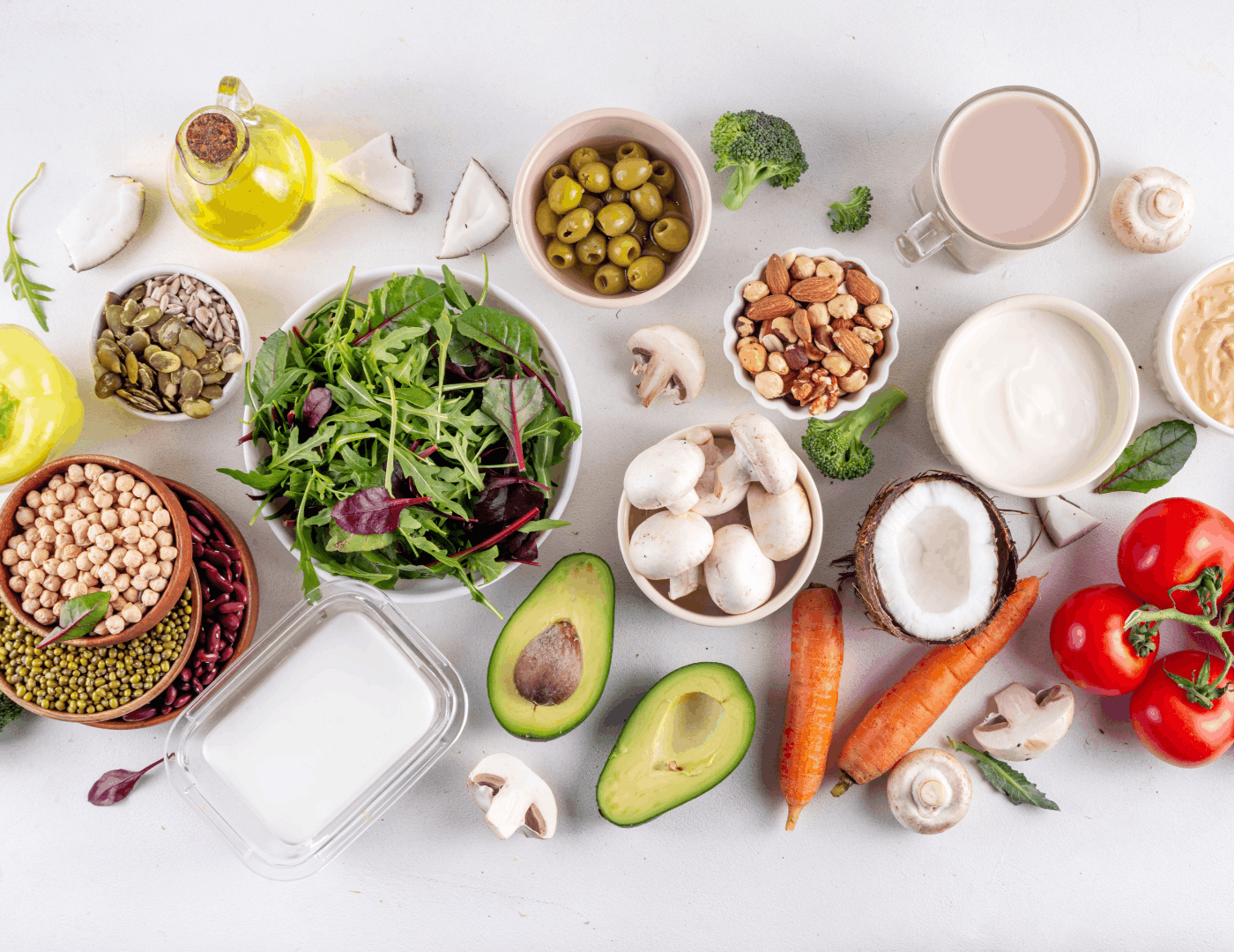
Plant-Based and Pregnant: Nutrition Guide for Vegans
A plant-based pregnancy can absolutely be healthy if you know your gaps. Here's the honest guide to B12, DHA, choline, zinc and iodine for vegan pregnancy nutrition
Read more
Short, science-backed tips to support fertility, pregnancy, and beyond - plus exclusive promotions