By Maternally Happy | Nutrition & Pregnancy Health | 7 min read
A plant-based diet, whether fully vegan or vegetarian can absolutely support a healthy pregnancy and a thriving baby. The scientific evidence supports this and so does the experience of countless plant-based mothers.
The key word is planned. Certain nutrients that are abundant and highly bioavailable in animal foods are either absent from or poorly absorbed from plant sources and in plant-based pregnancy nutrition, those gaps matter more than at almost any other point in your life.
This blog covers the nutrients most likely to be insufficient in a plant-based pregnancy, how to identify deficiency and how to bridge the gaps through food and targeted supplementation.
Pregnancy increases the demand for virtually every nutrient - folate, choline, iodine, zinc, B12, omega-3 DHA, vitamin D, calcium and iron all increase significantly. For omnivorous women, many of these increases can be met through diet with targeted supplementation.
For plant-based women, the calculation is different. Several key nutrients are concentrated in animal foods, and plant-based alternatives either provide less of the nutrient, are less bioavailable, or require conversion steps that reduce the usable amount significantly.
This is not a reason to change your diet. It's a reason to know your gaps and fill them deliberately.
B12 is found almost exclusively in animal products. It's essential for neurological development, red blood cell formation and DNA synthesis - all critical during fetal development. B12 deficiency in pregnancy is associated with neural tube defects, developmental delay and maternal anaemia.
Plant-based pregnant women must supplement B12. This is not optional - it cannot be reliably met through diet alone.
Look for methylcobalamin rather than cyanocobalamin - it's the more bioavailable form and is better retained by the body. The Prenatal contains methylcobalamin B12 at a dose appropriate for pregnancy.
DHA is critical for fetal brain and eye development, particularly in the third trimester. The primary dietary source is oily fish - salmon, sardines, mackerel.
Plant-based omega-3 sources - flaxseed, chia, walnuts provide ALA (alpha-linolenic acid), which the body must convert to DHA. This conversion is inefficient, occurring at approximately 5% in most people. This is not sufficient to meet pregnancy nutrition requirements.
The solution: algae-derived DHA. Algae is where fish obtain their DHA - supplementing with algae-derived DHA bypasses the conversion problem entirely and is both vegan and sustainable.
Note: The Prenatal does not contain DHA. Algae-derived DHA should be supplemented separately for plant-based pregnancies as it is a fat based molecule.
Choline is essential for fetal brain development, neural tube closure and placental function. It's also one of the most under-consumed nutrients in pregnancy and the gap is larger in plant-based diets.
The richest sources of choline are eggs (particularly yolks) and liver. Vegan sources - soybeans, chickpeas, cruciferous vegetables provide choline in significantly lower quantities and with lower bioavailability.
The Prenatal contains 550mg of choline - the full recommended intake for pregnancy and breastfeeding making it particularly valuable for vegan and vegetarian pregnancy nutrition where dietary choline is limited.
→ Read: The Truth About Choline in Pregnancy
Zinc is required for cell division, immune function, fetal growth, and DNA synthesis all dramatically increased in pregnancy. Plant-based sources - legumes, pumpkin seeds, wholegrains, tofu are genuinely good sources in absolute terms.
The challenge is phytates - antinutrients found in plant foods that bind to zinc and significantly reduce absorption. Research suggests plant-based individuals may need approximately 50% more dietary zinc than omnivores to absorb the same amount.
Strategies to improve plant-based zinc absorption: soak and sprout legumes, choose fermented soy products like tempeh, and pair zinc-rich foods with vitamin C.
Iodine is essential for thyroid hormone production, which drives fetal brain and neurological development throughout pregnancy. The primary dietary sources are seafood and dairy, both absent from fully plant-based diets.
Many plant-based milks are not iodine-fortified (check labels carefully). Seaweed is a plant-based source, but iodine content varies enormously and reliable dosing is difficult.
Iodine supplementation is typically necessary for plant-based pregnancy. The Prenatal includes iodine at a pregnancy-appropriate dose.
While vitamin D is technically available from sun exposure, most Australians are deficient - particularly in winter months, for darker skin tones and for those who work indoors. Vitamin D from animal foods is limited in plant-based diets.
Vitamin D3 is most commonly derived from lanolin (wool) - which is not vegan. Look for algae-derived vitamin D3 or vitamin D2 as vegan alternatives. The Prenatal contains a vegan source of vitamin D3.
Calcium is essential for fetal bone and teeth development and for maintaining maternal bone density during pregnancy. For fully plant-based women, deliberate food choices are required.
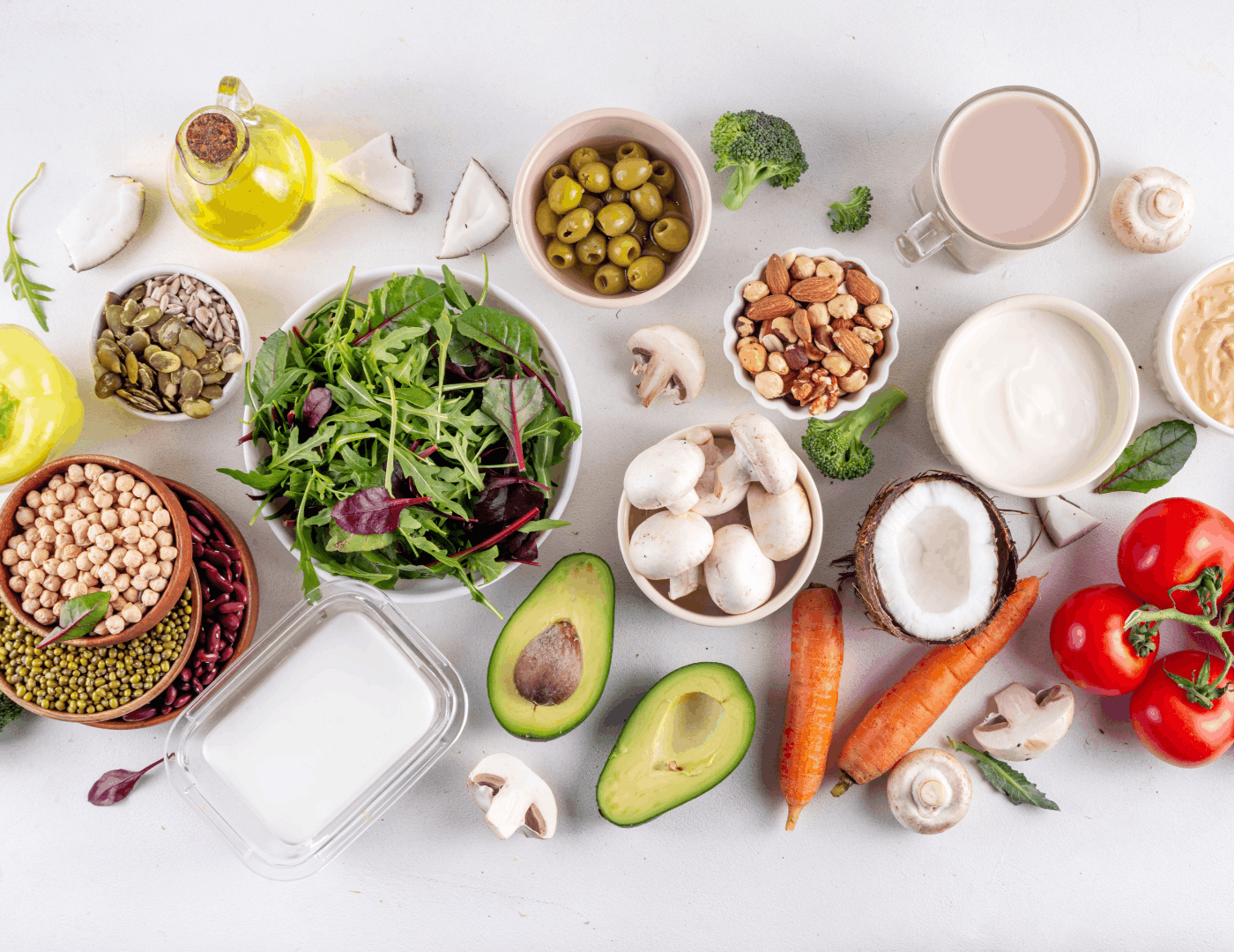
Good plant-based calcium sources: fortified plant milks (check labels for 300mg+ per cup), tofu set with calcium sulphate, tahini, almonds, edamame, and dark leafy greens. Absorption is enhanced by vitamin D and reduced by high-oxalate foods like spinach and beet greens.
Iron deserves mention, though the picture is nuanced. Plant-based diets can provide significant amounts of non-haem iron - from legumes, tofu, seeds and dark leafy greens. However, non-haem iron is substantially less bioavailable than haem iron from animal sources.
Strategies to enhance non-haem iron absorption: consume with vitamin C, avoid tea and coffee with meals, and cook in cast iron cookware.
Have your iron studies (not just haemoglobin) tested each trimester. Ferritin reflects your iron stores and is a more sensitive indicator of depletion.
→ Read: The Fourth Trimester: What Your Body Actually Needs After Birth
Essential supplements for plant-based pregnancy:
Work with your midwife, GP, or dietitian to monitor B12, ferritin, vitamin D and zinc throughout pregnancy. Blood tests each trimester give you the information you need to adjust your supplement protocol in real time.
Can you have a healthy pregnancy on a plant-based diet? Yes, a well-planned plant-based diet can absolutely support a healthy pregnancy. The key word is planned. Several nutrients critical to fetal development are either absent from or poorly absorbed from plant foods, so knowing your gaps and supplementing deliberately is essential for plant-based pregnancy nutrition.
Do vegan and vegetarian women need extra supplements during pregnancy? Yes, beyond a standard prenatal, plant-based pregnant women typically need algae-derived DHA (since fish is the primary dietary source), and should ensure their prenatal contains methylcobalamin B12, iodine, and choline at adequate doses. Some women will also need additional vitamin D and calcium depending on diet and sun exposure.
What is the best source of DHA for a vegan pregnancy? Algae-derived DHA is the best option for plant-based pregnancies. Algae is the original source of DHA - fish accumulate it by eating algae. Supplementing algae-derived DHA bypasses the inefficient ALA conversion process entirely and provides DHA directly in the form your baby's brain needs.
How do plant-based pregnant women get enough B12? B12 is found almost exclusively in animal products and cannot be reliably obtained from plant foods alone. Supplementation with methylcobalamin B12 is non-negotiable for vegan and vegetarian pregnant women. Look for a prenatal that contains methylcobalamin rather than the less bioavailable cyanocobalamin form.
Is iron a concern in plant-based pregnancy? It can be. Non-haem iron from plant foods is significantly less bioavailable than haem iron from meat. Consuming iron-rich plant foods alongside vitamin C, avoiding tea and coffee with meals, and having ferritin tested each trimester are the most important strategies. Don't rely on haemoglobin alone, ferritin reflects your iron stores more accurately.
What are the best plant-based foods for pregnancy? The most nutrient-dense plant foods for pregnancy include lentils (folate, iron, zinc), edamame (complete protein, choline), tempeh (zinc, protein, better absorbed than tofu), fortified nutritional yeast (B12, B vitamins), pumpkin seeds (zinc, magnesium), and fortified plant milks (calcium, iodine). Variety and pairing with absorption-enhancing foods like vitamin C is key.
About the Author
Caitlin Gilmore: Nurse, Midwife & Nutrition Consultant
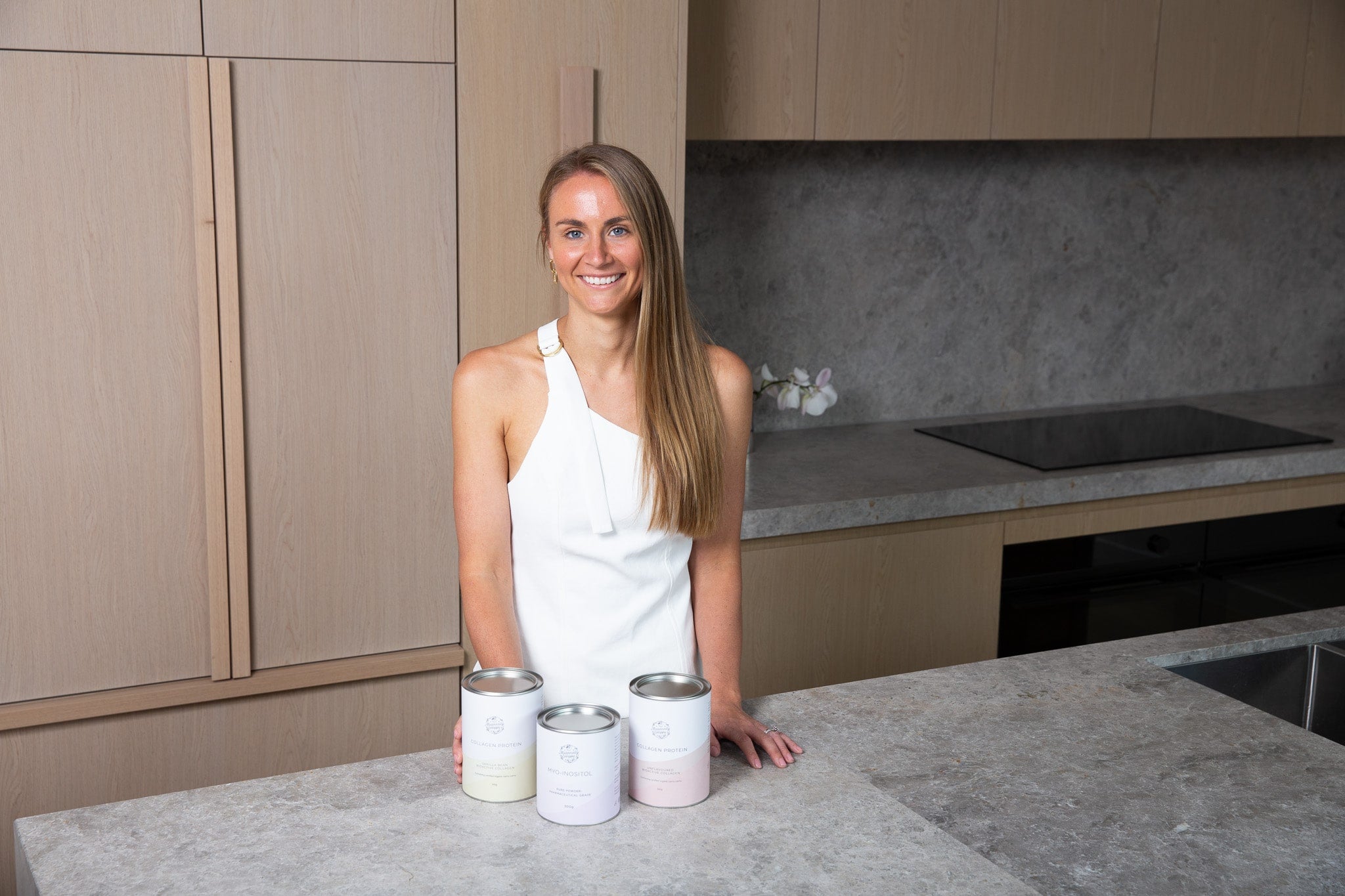
Caitlin is the founder of Maternally Happy, an Australian wellness brand specialising in bioavailable supplements, prenatal vitamins, and evidence-based resources designed to support women from preconception through postpartum.
With qualifications as a Nurse, Midwife, and Nutrition Consultant, Caitlin combines over a decade of clinical experience with nutritional expertise to deliver trustworthy, research-backed advice. Her writing focuses on fertility, pregnancy, postpartum recovery, and hormonal health - helping women cut through the confusion with practical, evidence-based information.
When she’s not formulating practitioner grade supplements or supporting her community, you’ll find her enjoying a chai latte, hiking in nature, or spending time with her family, friends, and two border collies.
Blood Sugar in Pregnancy: What You Need to Know
Blood sugar affects every pregnant woman, not just those with gestational diabetes. Learn how to manage it through nutrition, lifestyle, and the right supplements.
Read more
Morning Sickness and Nutrition: How to Keep Your Nutrients Up When Food Is the Enemy
Struggling to eat in the first trimester? Learn which nutrients matter most during pregnancy, practical strategies for keeping them up through morning sickness, and how to support your baby's devel...
Read more
Short, science-backed tips to support fertility, pregnancy, and beyond - plus exclusive promotions