Estimated Read Time: 6-7 minutes
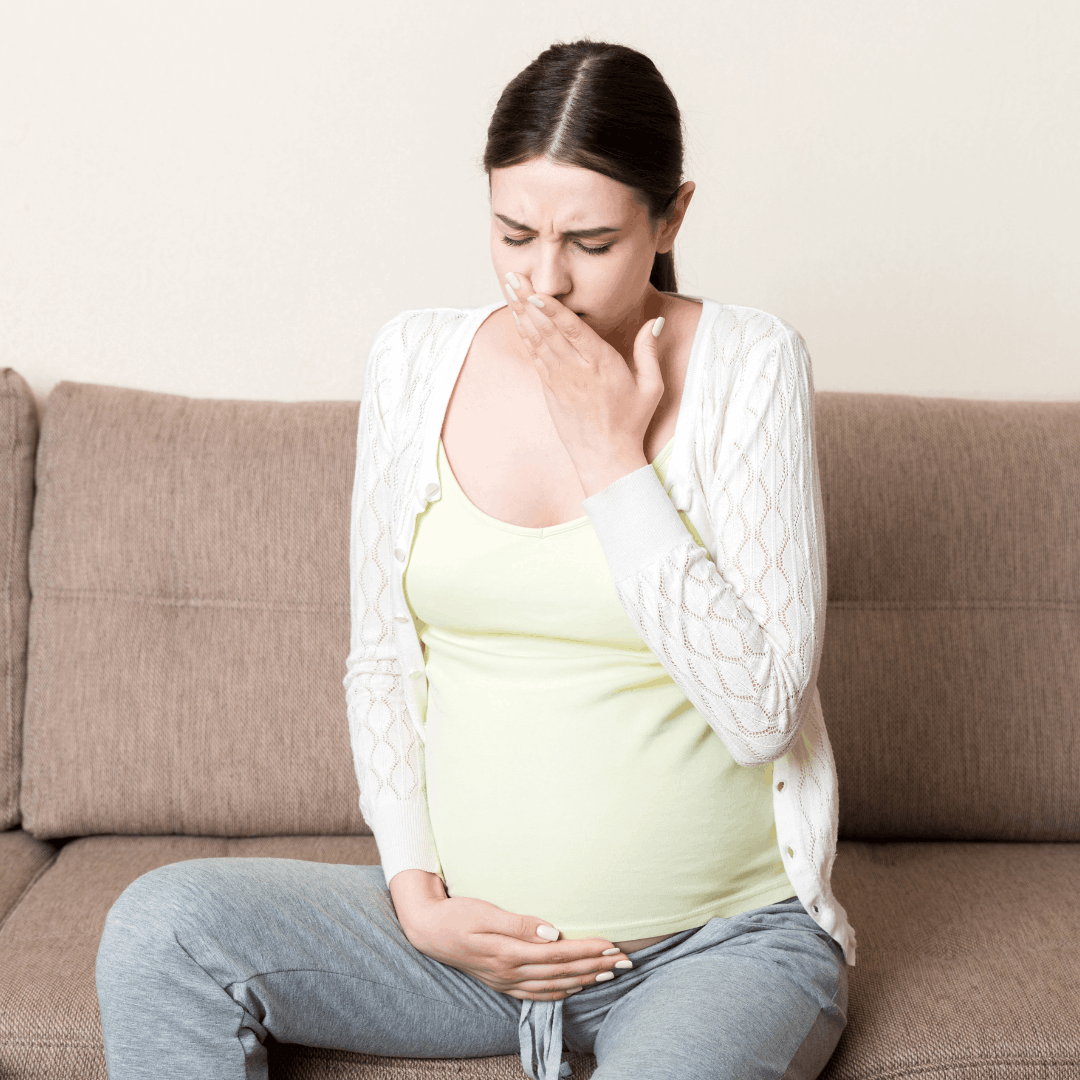
If you're in the first trimester surviving mostly on crackers, dry toast and sheer willpower, you are not alone.
Morning sickness affects up to 80% of pregnant women, and for many it's not just a morning thing. It can be all day, relentless and utterly exhausting. The last thing you want to think about is nutrition.
But here's the reality: the first trimester is one of the most nutritionally critical periods of your entire pregnancy. Your baby's neural tube closes, the heart begins beating and major organ systems begin forming, all in the first 12 weeks. What you eat matters and when eating is hard, what you supplement with matters even more.
This guide covers both - practical nutrition strategies for surviving morning sickness, and how to choose a prenatal vitamin that supports you through it rather than making it worse.
Morning sickness, clinically known as nausea and vomiting of pregnancy (NVP) is thought to be primarily driven by the rapid rise in hCG (human chorionic gonadotropin) in early pregnancy. It typically peaks around weeks 8-10 and improves for most women by the end of the first trimester.
Other contributing factors include:
For around 1-2% of women, nausea escalates into hyperemesis gravidarum (HG) a severe condition involving persistent vomiting, weight loss and dehydration that requires medical treatment. If this sounds like you, please speak to your GP or midwife.
It's a cruel irony that the trimester when you feel least like eating is the one where some of the most critical development is occurring.
During weeks 4-12 specifically:
The nutrients that support these processes need to be consistently available. On the days when food intake is minimal which during morning sickness can be most days a well-formulated prenatal vitamin becomes your nutritional safety net. It's not a replacement for food, but it is an essential backup when food isn't possible.
Not all nutrients are equal during this stage. Here are the ones that matter most in the first trimester and what to look for in your prenatal.
Folate is essential for neural tube closure which happens in the first 28 days of pregnancy, often before many women even know they're pregnant. Look for methylfolate in your prenatal rather than synthetic folic acid. Many women carry a genetic variation (MTHFR) that impairs their ability to convert folic acid into its active form. Methylfolate bypasses this entirely.
Choline works alongside folate for neural tube development and is critical for your baby's brain formation. The recommended daily intake is 450mg in early pregnancy yet fewer than 10% of pregnant women meet this through diet alone. Most standard prenatal vitamins contain little to no choline, making it one of the most significant gaps in typical supplementation.
→ Read: The Truth About Choline in Pregnancy
B6 is the only nutrient with strong clinical evidence for reducing nausea severity in pregnancy. Multiple randomised controlled trials have shown it significantly reduces both the frequency and intensity of morning sickness which makes it one of the most important things to look for in a first trimester prenatal vitamin. If your current prenatal doesn't include B6, it's worth reassessing.
Blood volume increases significantly from around week 6, which ramps up iron demand. However, the form of iron in your prenatal matters when it comes to morning sickness and nutrition tolerance. Ferrous sulfate, the most common form found in pharmacy prenatals is one of the primary causes of pregnancy nausea and constipation. If your prenatal is making you feel worse, the iron is often why.
Iodine is critical for thyroid hormone production, which drives your baby's brain development throughout pregnancy. Deficiency is surprisingly common and significantly under-diagnosed. Most prenatal vitamins include it, but it's worth checking yours.
Zinc supports rapid cell division and immune function both in overdrive during early pregnancy. It's also commonly depleted by morning sickness itself, since vomiting causes direct loss of zinc stores. Replenishing zinc through your prenatal is particularly important if nausea is severe.
Vitamin D supports bone development and immune function, and has been linked to reduced risk of gestational complications. Deficiency is extremely common in Australia, particularly in winter months and in women who spend limited time outdoors.
These are the strategies that actually work in real life, not just in theory.
Blood sugar drops overnight and hits its lowest point first thing in the morning which is why nausea is often worst before breakfast. Keep plain crackers on your bedside table and eat a small amount before you even sit up.
An empty stomach makes nausea significantly worse. Aim for small amounts every 2-3 hours rather than three large meals. This keeps blood sugar stable and reduces the digestive load at any one time.
Protein stabilises blood sugar more effectively than carbohydrates and has been shown to reduce nausea. Even small amounts count - a boiled egg, a few nuts, a spoonful of nut butter, a piece of cheese.
Hot food releases more volatile aroma compounds, which is why smell triggers nausea more than taste. Cold or room-temperature options - chilled yoghurt, cold leftovers, room-temperature fruit, are often significantly better tolerated.
Ginger has genuine clinical evidence behind it for pregnancy nausea. A 2014 review found ginger significantly reduced nausea severity compared to placebo. Ginger tea, lozenges, crystallised ginger, or ginger capsules (250mg, 3-4 times daily) are all options.
If your prenatal vitamin is contributing to nausea, timing can make a significant difference. Try taking it at night just before sleep, or split your dose across your two best-tolerated meals of the day. A prenatal delivered in multiple capsules, rather than one large tablet makes this much easier to manage.
Dehydration worsens both nausea and fatigue. If large amounts of water feel difficult, try cold water with lemon, coconut water, ice chips, or electrolyte drinks. Small, consistent sips throughout the day are more effective than drinking large amounts at once.
For many women, morning sickness and nutrition feel like an impossible combination and a poorly formulated prenatal can make that even harder. Here's what to look for.
What to avoid in a prenatal:
What to look for in a prenatal:
The Prenatal by Maternally Happy was designed with exactly this in mind. Delivered across three capsules which can be split across meals to reduce stomach load it includes methylfolate, 550mg of choline, Vitamin B6 for nausea support, and 19 nutrients in total, all in bioavailable forms. No fillers, binders, or unnecessary additives. Made in Australia and formulated by a Nutrition Consultant, Midwife, and Nurse.
Hyperemesis gravidarum (HG) affects approximately 1-2% of pregnancies and is characterised by severe, persistent nausea and vomiting resulting in weight loss, dehydration, and an inability to keep food or fluids down. HG is not simply "bad" morning sickness, it is a medical condition that requires professional treatment.
If you are unable to keep fluids down for more than 24 hours, are losing weight, or feel significantly unwell, please contact your GP or midwife immediately. You deserve proper support.
Can prenatal vitamins make morning sickness worse? Yes and it's very common. The most frequent culprit is ferrous sulfate (synthetic iron), which is highly stomach-irritating. Switching to a prenatal with a gentler iron form, splitting your dose across meals, or taking it at night before sleep can make a significant difference.
Is it safe to keep taking prenatal vitamins when I have morning sickness? Yes and it's important to try. The nutrients in a prenatal are most critical during the first trimester, so consistency matters even on hard days. Adjusting when and how you take it is usually more effective than stopping altogether.
Can morning sickness harm my baby? In most cases, no. Your baby is remarkably effective at drawing what it needs from your stores. Mild to moderate nausea and reduced food intake in the first trimester is very unlikely to cause harm. Severe, prolonged vomiting (HG) does require medical attention.
Does morning sickness mean my baby is healthy? Some research suggests an association between morning sickness and lower miscarriage risk thought to be linked to higher hCG levels indicating a well-established pregnancy. However, not experiencing morning sickness does not mean anything is wrong.
When does morning sickness usually end? For most women, morning sickness peaks around weeks 8-10 and improves significantly by weeks 12-14. A small percentage of women experience nausea into the second trimester.
What if I can't keep my prenatal vitamin down? Try splitting your dose across meals, switching to a nighttime dose, or choosing a prenatal in a split-capsule format that's easier on your stomach. If vomiting is severe, speak to your healthcare provider. The most important nutrients to maintain in early pregnancy are folate, choline, and iodine.
About the Author
Caitlin Gilmore: Nurse, Midwife & Nutrition Consultant

Caitlin is the founder of Maternally Happy, an Australian wellness brand specialising in bioavailable supplements, prenatal vitamins, and evidence-based resources designed to support women from preconception through postpartum.
With qualifications as a Nurse, Midwife, and Nutrition Consultant, Caitlin combines over a decade of clinical experience with nutritional expertise to deliver trustworthy, research-backed advice. Her writing focuses on fertility, pregnancy, postpartum recovery, and hormonal health - helping women cut through the confusion with practical, evidence-based information.
When she’s not formulating practitioner grade supplements or supporting her community, you’ll find her enjoying a chai latte, hiking in nature, or spending time with her family, friends, and two border collies.
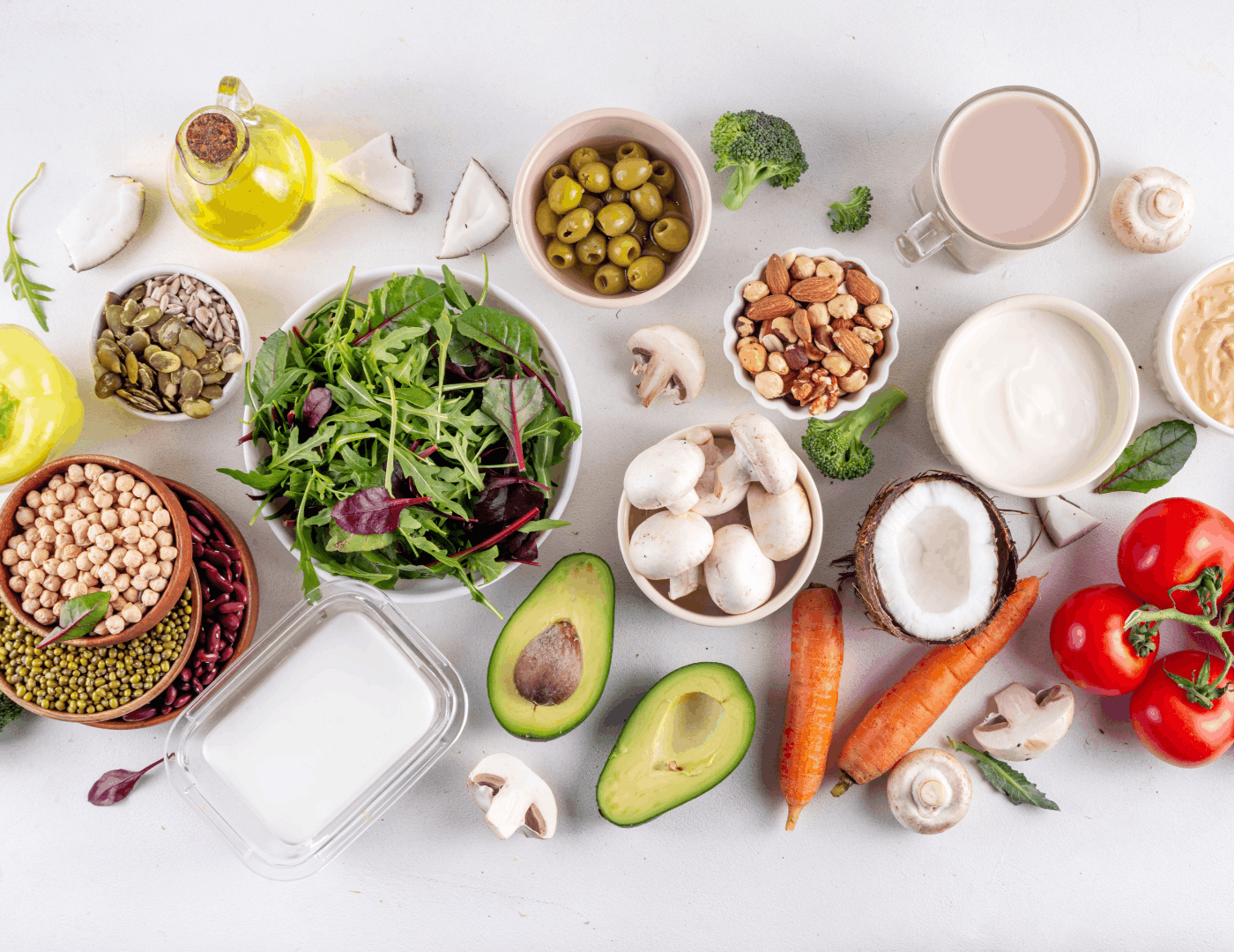
Plant-Based and Pregnant: Nutrition Guide for Vegans
A plant-based pregnancy can absolutely be healthy if you know your gaps. Here's the honest guide to B12, DHA, choline, zinc and iodine for vegan pregnancy nutrition
Read more
Collagen in Pregnancy: What It Does and Is It Safe?
Collagen in pregnancy goes far beyond skin. From pelvic floor support to blood sugar stabilisation and postpartum recovery, here's the evidence-based guide.
Read more
Short, science-backed tips to support fertility, pregnancy, and beyond - plus exclusive promotions