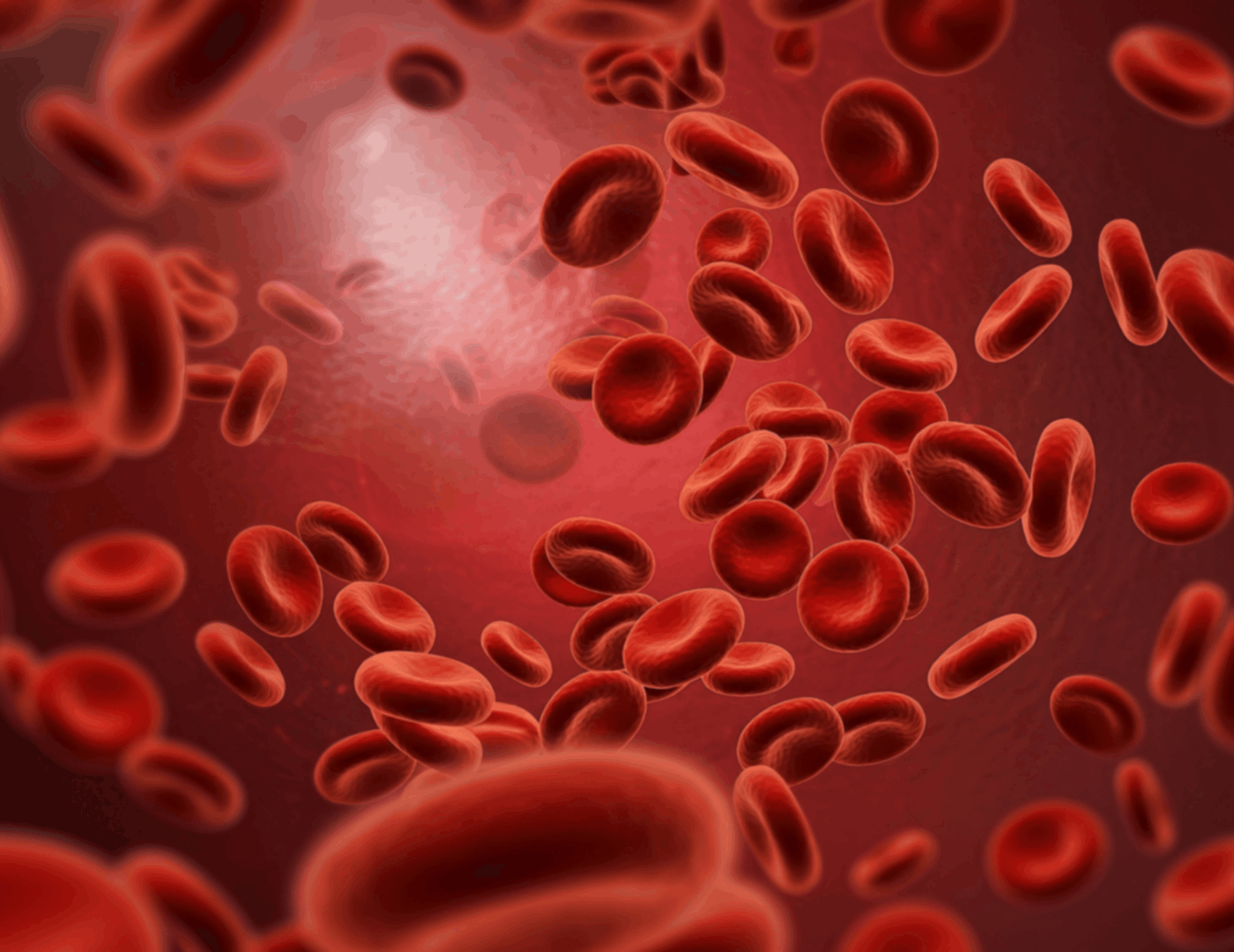
Iron deficiency is the most common nutritional deficiency in the world and in pregnancy, it affects up to 50% of women globally. In Australia, the figure is similarly significant, with many women arriving at their first antenatal appointment already running on depleted iron stores.
For most of these women, depletion didn't begin with pregnancy. It began years, sometimes decades earlier.
Understanding the root causes of iron depletion before pregnancy is the foundation of understanding how to address it during pregnancy.
The scale of the problem: 50% of pregnant women globally experience iron deficiency or iron deficiency anaemia making it the most common nutritional deficiency in pregnancy worldwide.
Iron deficiency in pregnancy is associated with maternal fatigue, cognitive impairment, increased risk of preterm birth, low birth weight, impaired fetal brain development, postpartum haemorrhage complications and postpartum depression.
These are not minor outcomes and yet iron deficiency remains significantly under-screened, under-diagnosed, and under-treated in part because the most commonly checked marker (haemoglobin) is a late indicator that can remain normal while stores are already severely depleted.
1. Monthly blood loss through menstruation:
The most significant and consistent cause of iron depletion in women of reproductive age is monthly menstrual blood loss.
The average menstrual cycle involves blood loss of 30-80ml. Each millilitre of blood contains approximately 0.5mg of iron, meaning a typical cycle depletes 15-40mg of iron. To put this in context: the recommended daily iron intake for women of reproductive age is 18mg per day. A single heavy period can wipe out several days' worth of dietary iron intake.
Heavy menstrual bleeding is clinically defined as greater than 80ml per cycle, but often experienced as passing clots, flooding, or bleeding lasting more than 7 days is estimated to affect 1 in 3 women of reproductive age. It is significantly under diagnosed and under treated.
For these women, monthly iron loss consistently outpaces dietary replacement. By the time they reach pregnancy, iron stores have often been gradually depleted over years.
2. Dietary intake that doesn't replace what's lost
Meeting iron requirements through diet alone is achievable but it requires consistent, intentional food choices that most Australian women are not making.
The recommended dietary intake for iron is 18mg per day for women of reproductive age, rising to 27mg during pregnancy. Most Australian women consume between 9-11mg per day, a gap that compounds month after month, particularly in the context of ongoing menstrual losses.
Several dietary patterns common in Australia contribute to this gap:
3. Previous pregnancies
Each pregnancy places substantial iron demands on the maternal body for the expanding blood volume (which increases by 40-50%), for placental development and for fetal red blood cell production.
A single uncomplicated pregnancy draws on approximately 1000mg of iron over nine months. Recovering these stores through diet alone takes many months and often more than the gap between pregnancies allows.
This is why second and third pregnancies are associated with higher rates of iron deficiency than first pregnancies. Each pregnancy builds on the baseline left by the previous one.
Iron deficiency exists on a spectrum, and symptoms often appear before levels reach the clinical threshold for anaemia:
Many of these symptoms are dismissed as 'normal pregnancy fatigue'. A blood test is the only way to know for certain.
What to test and when
Standard antenatal care in Australia includes a haemoglobin check but haemoglobin is a late-stage marker. Your body maintains haemoglobin at the expense of ferritin, meaning stores can be severely depleted while haemoglobin looks normal.
Always request a full iron study, not just haemoglobin. This should include: ferritin, serum iron, transferrin, and transferrin saturation. Request CRP at the same time - elevated inflammation artificially raises ferritin, which can mask true depletion.
If you want to learn more about iron blood test ranges you can read our blog here.
1. Can I have normal haemoglobin but still be iron deficient? Yes, this is iron deficiency without anaemia and it is extremely common. Your body prioritises keeping haemoglobin normal by drawing on ferritin stores. By the time haemoglobin drops, ferritin is already severely depleted. This is why ferritin is a more sensitive early indicator than haemoglobin.
2. What ferritin level should I aim for before pregnancy? The clinical threshold for iron deficiency is ferritin below 15 µg/L. But optimal for conception and pregnancy is significantly higher, ideally above 50 µg/L, with above 30 µg/L as a minimum baseline. Ferritin below 30 µg/L before pregnancy leaves very little reserve for the iron demands of the first and second trimester.
3. How long does it take to replenish iron stores? Rebuilding ferritin from depleted levels takes time, typically 3 to 6 months of consistent supplementation alongside dietary improvement. This is why preconception testing matters: catching and addressing iron deficiency before pregnancy is far easier than trying to correct it during pregnancy, when demands are increasing and supplementation options may be more limited by tolerability.
Related reading
→ Part 2: The Problem With Ferrous Sulphate
About the Author
Caitlin Gilmore: Nurse, Midwife & Nutrition Consultant

Caitlin is the founder of Maternally Happy, an Australian wellness brand specialising in bioavailable supplements, prenatal vitamins, and evidence-based resources designed to support women from preconception through postpartum.
With qualifications as a Nurse, Midwife, and Nutrition Consultant, Caitlin combines over a decade of clinical experience with nutritional expertise to deliver trustworthy, research-backed advice. Her writing focuses on fertility, pregnancy, postpartum recovery, and hormonal health - helping women cut through the confusion with practical, evidence-based information.
When she’s not formulating practitioner grade supplements or supporting her community, you’ll find her enjoying a chai latte, hiking in nature, or spending time with her family, friends, and two border collies.
Low Tox Pregnancy: The Complete Product Swap Guide
Going low-tox in pregnancy doesn't have to be overwhelming. Here's the practical guide to the 8 most important swaps, what ingredients to avoid, and brands to trust.
Read more
The Problem With Ferrous Sulphate - Side Effects, Poor Absorption & What to Take Instead
Ferrous sulphate is the most commonly prescribed iron supplement in Australia. It's also one of the most commonly abandoned with studies suggesting that up to 50% of patients stop taking it within ...
Read more
Short, science-backed tips to support fertility, pregnancy, and beyond - plus exclusive promotions